- Timing
- Focus
- Routines
Screens and the kitchen: drawing a soft line
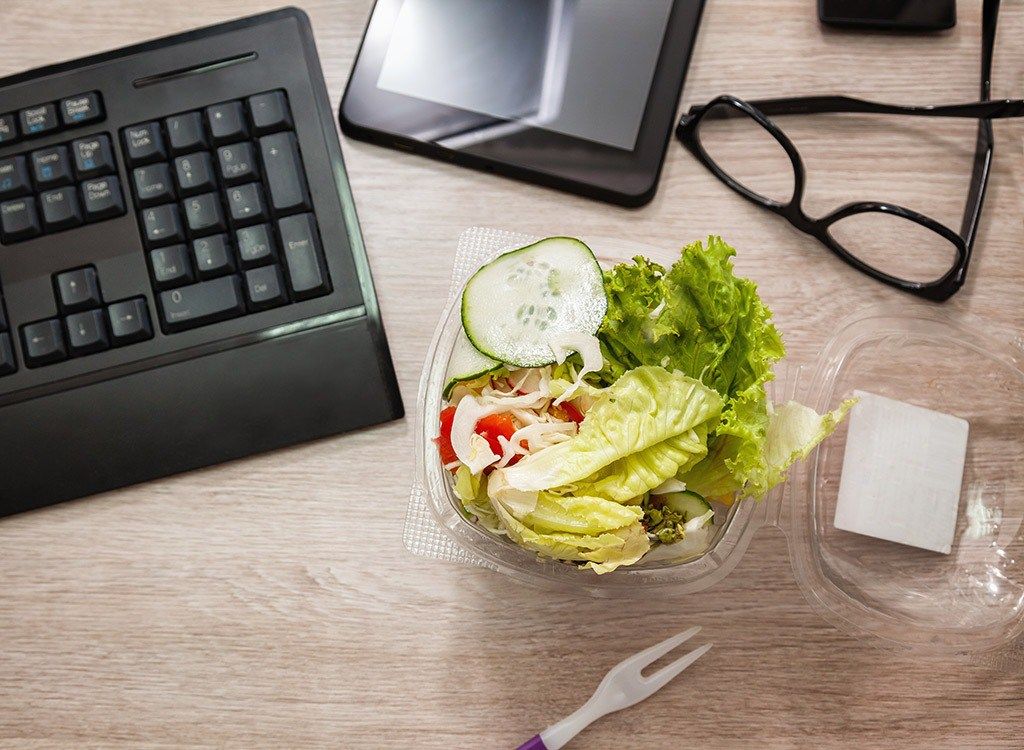
When meetings bleed past their slotted time, the meal you imagined at noon can become a stand-up forkful at two. None of that makes you a failure at “wellness.” It does mean that a generic article about “mindful eating” may miss the mark if it ignores labor conditions. We describe a few low-drama ways teams have blocked even twenty protected minutes, and what individuals can do when culture does not support that. None of it replaces labor law or a union agreement; it is a lay description of patterns we have seen in information work.
On the physical side, looking away from a bright panel toward a wall or a window for the length of a short meal can be its own form of rest for your eyes, separate from the nutrition on the plate. We avoid jargon about melatonin or circadian entrainment; if your clinician wants you in a stricter light hygiene protocol, follow that plan.
Households with different tempos
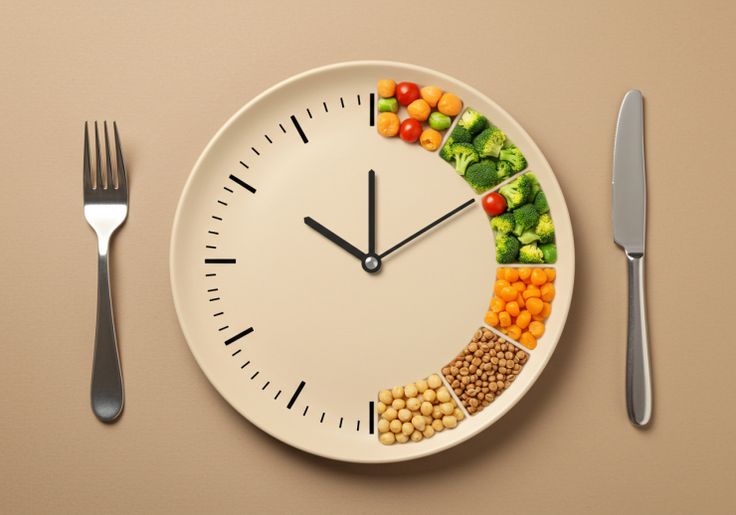
Care shifts, school pickups, and time zones in one home can desynchronize eating. A shared “anchor” meal that most people can catch—even if it is a simple sit-down on weeknights only—gives a reference point. Not everyone can share it; night-shift workers, for example, may need a different pattern entirely. The language here is inclusive of those realities, not a universal prescription.
- Post a week-at-a-glance in a high-traffic spot so the cook is not the only one holding the plan in their head.
- Batch a neutral base (rice, bread, salad mix) that can flex toward more than one preference.
- Accept that the “healthiest” pattern is one people will actually repeat, not a theoretical optimum from a stranger’s blog.
Pair timing with the Nourish library
If you have a rough sense of when you can sit, the ingredient ideas land more easily. Jump to Nourish for texture, color, and satisfaction language that matches this pacing chapter.
Evenings when the day leaves late
Late dinners happen. What sometimes helps is not another rule but a few predictable lighter options you already like, kept within reach, so a tired brain does not default to the loudest ad-driven delivery. We list patterns, not moral judgments, about snacking after dinner—your clinician may have a different take if you are managing a condition with specific timing needs.
If sleep is a concern, separating a heavy trial meal from the moment you need to be horizontal is a common-sense talk track many providers echo; it is not unique to this site, and you should not read it as a promise of better sleep in your individual case without assessment.
When you are ready to describe your week
If you are weighing whether a consult on routines makes sense, send a few sentences with your typical schedule blocks and the friction you feel. We answer candidly if our educational scope fits; we do not use the form to diagnose.
Write to the studio