Nourish

Ideas for plates that feel full without feeling precious

This section collects longer notes on how to think in layers: temperature, texture, acid, and enough protein to carry you to the next natural break. We write for home cooks and busy professionals who still want a recognizable meal—not a lifestyle performance. Nothing here is medical nutrition therapy; it is general education you adapt to your own context and discuss with qualified professionals when your situation needs that depth.

If a paragraph mentions a nutrient, it is to explain a food category, not to suggest you track lab values from a webpage.

Stylized illustration of a simple balanced plate on a warm background
  • Layers
  • Texture
  • Everyday meals

Four entry points when the week looks nothing like a meal plan

Hover or focus each panel on a device with a pointer—cards lift slightly to show they are interactive reading, not forms you must complete.

Produce first pass

When you unload groceries, wash and store greens in a visible container. Visibility beats good intentions on Thursday night. Rotate between tender leaves, sturdy slaws, and quick-sear vegetables so boredom does not push you back toward ultraprocessed defaults.

One pot, two nights

Beans, lentils, or a mild stew can become a bowl with fresh toppings on night one, then tuck into a wrap or grain salad on night two. Repetition with a small twist keeps decisions low without pretending every dinner is brand new.

Protein you will actually cook

Choose formats that match your skill and cleanup tolerance: thin-cut fish in a hot pan, baked tofu with a sauce you like, rotisserie chicken split across days. The “best” protein is the one that shows up on the plate.

Acid as the cheap upgrade

Lemon, lime, plain yogurt, or vinegar brightens leftovers without new shopping. A tiny punch of acid often matters more than an extra pinch of salt when a bowl tastes flat.

Why we talk about “satisfaction” before we talk about numbers

Satisfaction is subjective: it includes aroma, mouthfeel, temperature, and whether you ate enough to move on to the next task without feeling distracted by hunger. Chasing a purely numeric target—grams, percentages—can make sense in a clinical relationship with monitoring tools; on a public site, we avoid implying you should self-diagnose or self-treat by spreadsheet. Instead we describe patterns: enough protein spread through the day for many adults, enough fiber across a week for digestive comfort for many people, enough color variety to support a wide mix of plant compounds. Your clinician may translate those ideas into targets that fit you.

We also acknowledge cost and time. Suggestions mention canned fish, frozen vegetables, and bagged grains because those are real ingredients in real kitchens. A narrative that only stars farmers’ market peak produce can alienate anyone whose week runs on delivery apps and late shifts.
Kitchen reality

Shared spaces, different hunger levels

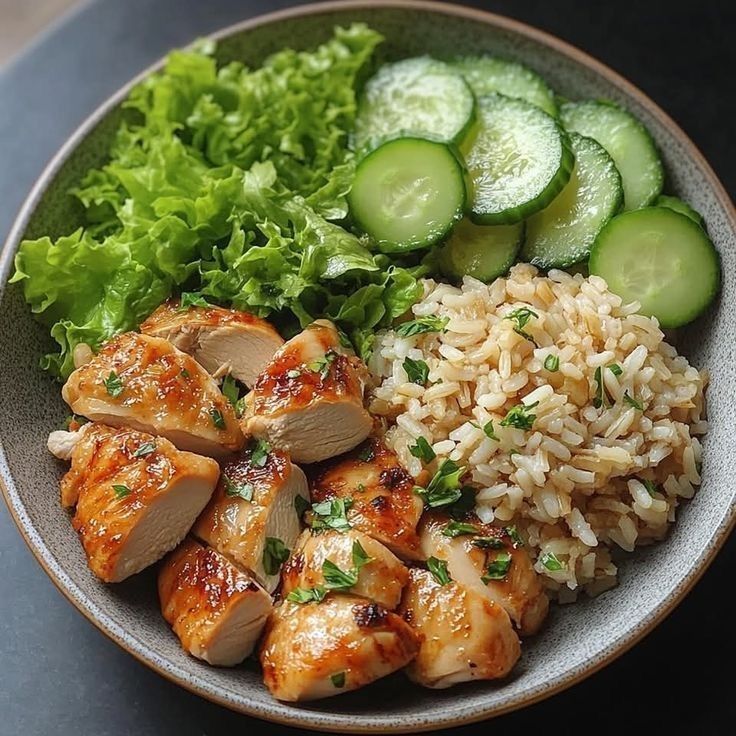
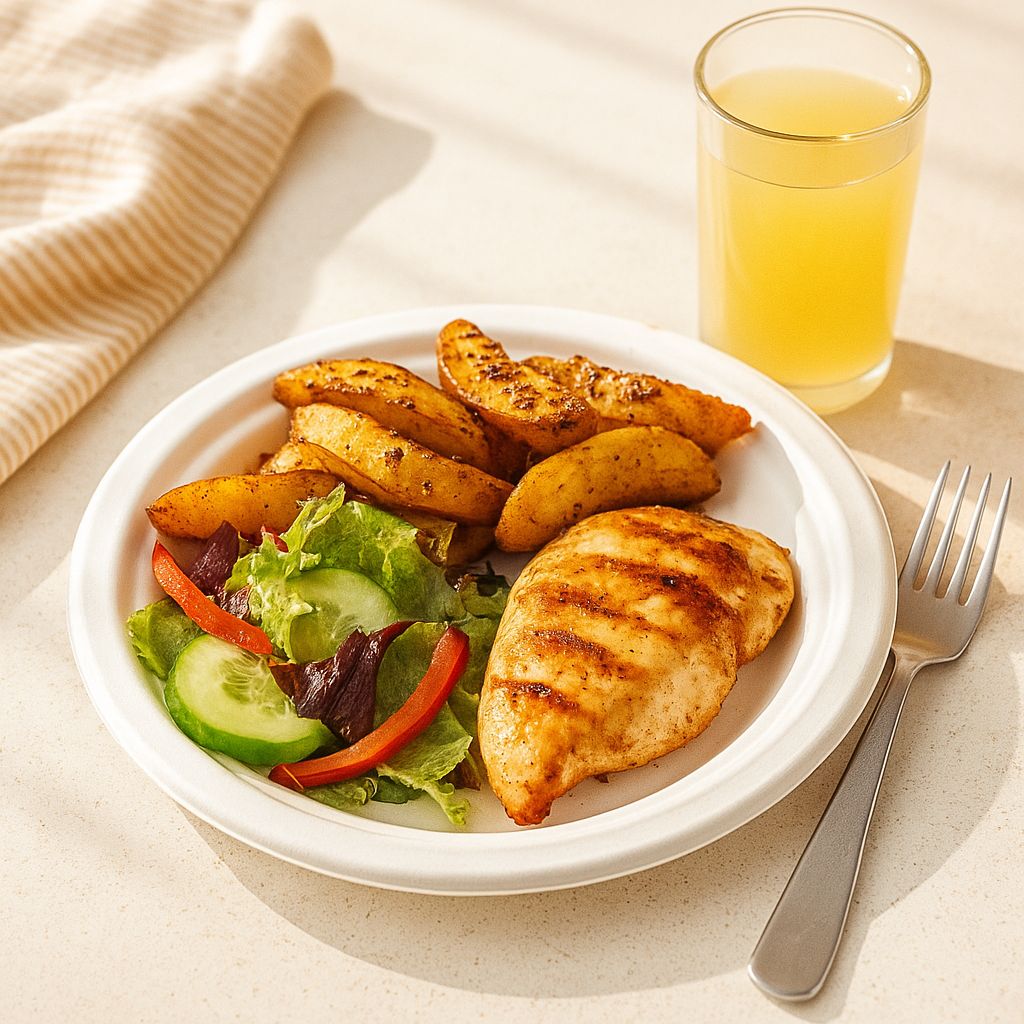
Roommates, partners, and families rarely sync hunger on a clock. Component meals—rice, beans, roasted vegetables, a protein that can be portioned—let people assemble different ratios without cooking three separate entrées. The Nourish stance is flexible assembly, not a single plated photograph everyone must match.

If someone at the table follows a therapeutic diet, their portions and omissions belong in a plan from their care team. Our job is not to override that plan with a trendy bowl graphic.

Stylized illustration of a simple balanced plate on a warm background

A longer checklist for the curious cook

  • Did I include at least one fat I enjoy—nuts, oil, yogurt—so the meal feels finished?
  • Is there enough salt in the cooking water or dressing that vegetables taste like themselves, not like penance?
  • If I am eating alone, did I still plate food with care, or did I default to standing at the counter without noticing?
  • Can tomorrow reuse something honest from tonight without needing a new recipe rabbit hole?

Workbooks and quiet study tracks

Some visitors want printed or downloadable guides they can work through at their own speed—inventory maps, a two-week “notice what you actually eat” journal without calorie targets, and reflection prompts. Formats and fees change; the contact form is the right place to ask what we currently offer and whether your timezone fits a live Q&A add-on.

Ask about materials

Nourish pairs with Calm on timing

Ideas for what to eat work best when you have a rough sense of when you can sit down. The Calm section does not tell you a single ideal schedule; it offers ways to reduce friction between meetings and mealtimes.

Read Calm